

Skip to content
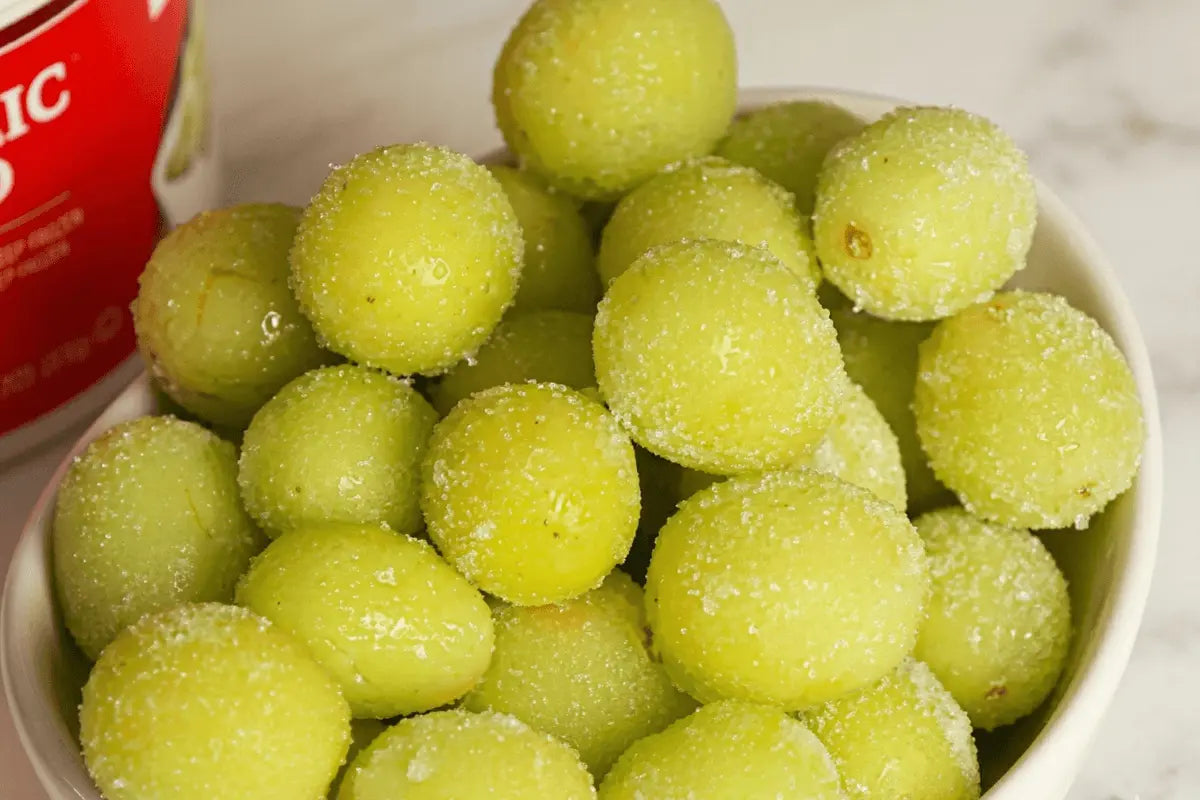
Frozen sour grapes coated in sugar and citric acid on a parchment-lined tray
Hoosier Hill Farm Citric Acid, 1 lb container

Citric Acid

Regular price From $13.99
Sale price Regular price $13.99
Shop

Frozen Sour Grapes

Citric acid is found naturally in several fruits and berries, and is commonly added to many foods and beverages as a preservative or for flavor. It has a tart taste, and is also known as lemon salt or sour salt. When a recipe calls for "sour salt" it is referring to citric acid. It's a white granulated powder that is extracted from the juice of citrus and other acidic fruits (gooseberries, lemons, limes and pineapples). It can also be created by fermenting glucose with special citric acid producing bacteria. Citric acid is completely natural. It gets its name from the citrus fruit family, which includes lemons, limes, oranges, tangerines, and grapefruits. Citrus fruits owe their sharp and bitter taste to citric acid, especially the more sour ones like lemons and limes. Studies have shown that citric acid can help your bones absorb calcium more easily.

Our customers have used our citric acid as an ingredient in pretty much everything: cheeses, ice cream, alcoholic beverages, breads, and more. Because of its characteristic tart flavor, citric acid is often added to soft drinks and sour candies (the white, powdery coating on sour candies is likely citric acid). The strong, tart taste of citric acid is used as a flavoring agent to foods, beverages and even a couple of our salt-free blends.

Note: 25 lb products will arrive in a bag.

Prep Time 10 minutes
Cook Time 2 hours 10 minutes
Total Time 2 hours 10 minutes
Yields About 4 servings (1 pound of grapes)

Ingredients

  • 1 pound green seedless grapes (red grapes work too)
  • 6 tablespoons lemon juice

For the sour coating

For an extra sour coating

Directions

  1. Step one: Rinse the grapes, pull them from the stems, and pat them completely dry with a clean towel. Drying matters more than it sounds like it should, because leftover rinse water is what turns your sugar coating into wet clumps later. Line a baking sheet with parchment paper.
  2. Step two: Pour the lemon juice over the grapes in a bowl and toss to coat, then let them sit for about 10 minutes. Every grape should be lightly wet so the coating has something to grab.
  3. Step three: In a separate bowl, stir together the sugar and Hoosier Hill Farm Citric Acid until evenly combined. Taste a pinch and add more citric acid if you want a sharper bite.
  4. Step four: Working in small batches of about a dozen, lift the grapes out of the lemon juice, let the excess drip off, and roll them in the sugar mixture until fully coated. If the sugar starts to look like wet sand, stop and mix a fresh batch using the same ratio. Damp sugar will not stick.
  5. Step five: Arrange the coated grapes in a single layer on the parchment-lined tray, spaced so they do not freeze together.
  6. Step six: Freeze for 2 to 3 hours, until firm and frosty. Serve straight from the freezer and enjoy!

Tips and Tricks

  • Serving young children? Cut the grapes in half lengthwise before coating. Whole grapes are a choking hazard for toddlers and young kids, and halved grapes actually pick up more coating.
  • Dry grapes, dry sugar. The two most common problems are the same problem. Pat the grapes dry after rinsing, work in small batches, and start a fresh bowl of sour sugar the moment the old one turns damp.
  • Do not skip the single layer. Grapes piled on top of each other freeze into one clump. Spread them out, then transfer to a container once frozen solid.
  • Dial in the sour. Start at 2 teaspoons of citric acid per 1/4 cup of sugar. Go to 3 teaspoons for serious pucker, or drop to 1 teaspoon for kids.
  • Double the sour. For an even sharper result, sprinkle a teaspoon of citric acid over the grapes while they sit in the lemon juice, in addition to what goes in the sugar. This builds tartness in two stages.
  • Use firm, plump grapes. Softer grapes shrivel in the freezer. Green grapes give the tartest result and red grapes come out sweeter. Cotton candy grapes, when you can find them, make an incredible sweet and sour version.
  • Try the refrigerator version. For a candy shell instead of an icy bite, chill the coated grapes in the fridge for about 2 hours instead of freezing. The coating sets crisp and the grape stays juicy.
  • Want the candy-store version? For bright, fruit-flavored coatings in red, blue, and green, see Sour Burst Grapes. Same citric acid, different finish.
  • Make it a chili lime version. Add a teaspoon of Tajin or chili lime seasoning to the sour sugar, or drizzle the finished grapes with chamoy for a sweet, sour, and spicy twist.
  • Make a bigger batch of coating. Mix extra sugar and citric acid and keep it in a sealed jar. It stays good for months and works on blueberries, halved strawberries, mandarin segments, pineapple chunks, and melon.
  • Go sharper with malic acid. Swap in Hoosier Hill Farm Malic Acid Powder in the extra sour coating above. Malic is sharper and lingers, citric is brighter and hits first, and using both is how commercial sour candy gets that layered pucker.
  • A note on enamel. Citric acid is a common food ingredient used in soft drinks, candy, and home canning, and it is safe to eat. Like any sour food, enjoy these in moderation, since frequent contact with acidic foods can be hard on tooth enamel.

We've Got Answers