

Skip to content
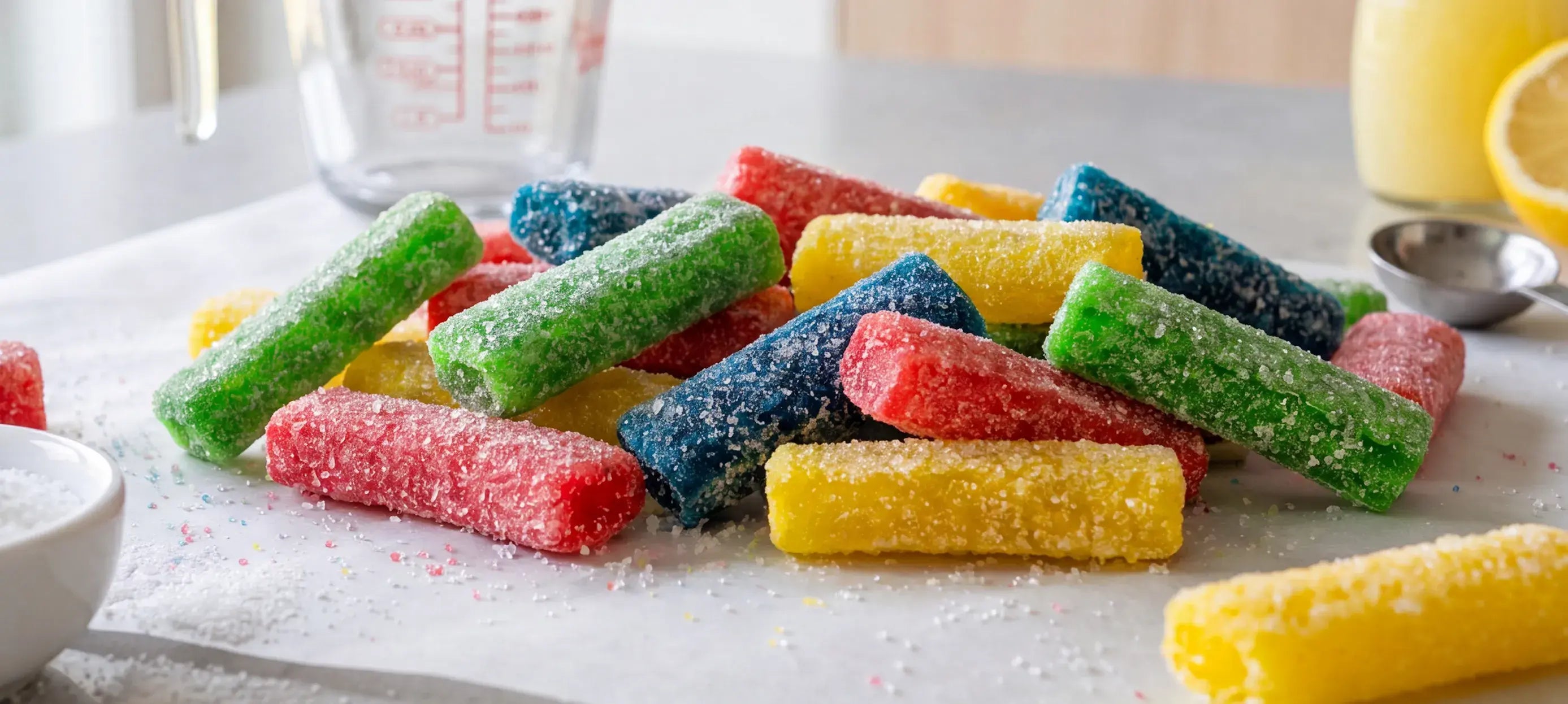
Homemade sour gummies tossed in sour sugar, made with Hoosier Hill Farm Agar Agar Powder and Citric Acid
Hoosier Hill Farm Agar Agar Powder, front of the package

Agar Agar Powder

Regular price From $19.99
Sale price Regular price $19.99
Shop

Sour Gummy Bites

Hoosier Hill Farm Agar Agar Powder is a natural vegan, plant-based thickener and gelling agent made from red algae. Also known as kanten, this versatile ingredient is often used in place of gelatin powder in Japan. Its high gelling properties produce a thick, firm texture, and it sets quickly at room temperature. This makes it ideal for making vegan gelatin. It also can be substituted for cornstarch as a thickener, so it's a great addition to a variety of dishes, from soups and sauces to noodles to desserts. In addition, agar agar provides healthy dietary fiber.

How to Use Agar Agar Powder: Agar agar is more potent than gelatin and sets to a firmer, gummier texture. One teaspoon of agar agar provides the same thickening power as 2-3 teaspoons of gelatin, so keep this in mind if you're making a substitution to a recipe that calls for regular gelatin. If you're making a molded recipe like a gelatin or panna cotta, be sure to grease the mold before adding your agar agar mixture. Try adding it to fruit syrups for homemade gummy candy, or use it to make your own vegan cheese.

Storage: Store in a cool, dry place. We do not recommend refrigerating or freezing agar agar powder.

Note: 25 lb products will arrive in a bag.

Prep Time 10 minutes
Cook Time 5 minutes
Total Time About 3 hours
Yields About 60 small gummies

Ingredients

For the gummies

For the sour coating

For an extra sour coating

Directions

  1. Step one: Lightly grease your silicone molds and set them on a baking sheet. Agar sets fast, so have everything ready before you start.
  2. Step two: In a small bowl, whisk the agar agar powder together with the sugar while both are still dry. Mixing agar with a dry ingredient first is the trick to keeping it from clumping when it hits the liquid.
  3. Step three: Pour the fruit juice into a saucepan, add the agar and sugar mixture, and whisk until no dry powder remains. If you are using honey instead of sugar, whisk the agar into the cold juice on its own, then stir the honey in now.
  4. Step four: Bring the mixture to a full boil over medium heat, whisking constantly, and let it boil for 1 minute. Agar will not activate without that boil, so do not shorten this step.
  5. Step five: Remove the pan from the heat and let it cool for about 5 minutes, until the steam has died down but the mixture still pours easily. Then stir in the lemon juice and the citric acid. Adding the acid off the heat matters here, because heating agar in an acidic mixture can keep it from setting at all.
  6. Step six: Working quickly, use a dropper or a small spouted measuring cup to fill the molds. If the mixture starts to thicken in the pan, warm it gently for a few seconds to loosen it back up.
  7. Step seven: Let the gummies set at room temperature for 30 to 60 minutes, until firm to the touch. You can speed this up in the refrigerator.
  8. Step eight: Pop the gummies out of the molds and arrange them in a single layer on a wire rack. Let them air dry for 1 to 3 hours. This is what gives them a slightly chewy skin and helps the sour coating stick instead of melting right off.
  9. Step nine: Whisk together the sour coating ingredients, toss the dried gummies until evenly coated, and enjoy!

Getting the Texture Right

Agar is more potent than gelatin and sets firmer, so the amount you use is really a matter of taste. Two teaspoons per cup of juice gives a firm, sliceable gummy with a clean bite. Here is how to adjust from there:

  • Softer and more tender: drop to 1.5 teaspoons per cup.
  • Firm and candy-like: stay at 2 teaspoons.
  • Very firm, or extra sour: go up to 3 teaspoons. More acid means more agar, since acidity weakens the set.

The best part is that agar is forgiving. If a batch sets firmer or softer than you like, melt it back down over low heat, whisk in a little more juice or a little more agar, and pour it again.

Make Them With Gelatin Instead

Gelatin gives a softer, chewier, more elastic bite, closer to a classic store-bought gummy bear. The method is different, so follow these steps rather than the ones above.

  • Use 3 tablespoons of unflavored gelatin powder in place of the agar agar.
  • Sprinkle the gelatin over the cold fruit juice and let it bloom for 5 minutes, until it looks wrinkled and absorbed.
  • Add the sugar or honey and warm over low heat, stirring, just until fully dissolved. Do not let it boil, which weakens gelatin and gives you a soft set.
  • Remove from the heat, then stir in the lemon juice and citric acid.
  • Fill the molds and refrigerate for 1 to 2 hours, then unmold, air dry, and coat exactly as above.
  • Keep gelatin gummies in the refrigerator. Unlike agar, gelatin softens at room temperature.

Tips and Tricks

  • Dial in the sour. One teaspoon of citric acid per 1/4 cup of sugar gives a pleasant pucker. Go to 2 teaspoons for a serious pinch. Taste the coating before you toss the gummies in it.
  • You have about two minutes. Agar starts setting at around 90 to 105F, much warmer than gelatin, so once it comes off the heat the clock is running. Have your molds greased and lined up before you start cooking. If it does thicken in the pan, just warm it gently until it flows again.
  • Coat right before serving. Sour sugar pulls moisture out of the gummies over time, so a coated batch slowly turns damp and sticky. Store them uncoated and toss just what you plan to eat.
  • Two acids are better than one. Malic acid is sharper and lingers longer, while citric acid is brighter and hits first. Using half of each is how commercial sour candy gets that layered pucker.
  • Grease the molds. Agar sets firm and grips silicone more than gelatin does. A very light coat of neutral oil makes unmolding effortless.
  • Do not skip the drying. An hour on a rack is the difference between a coating that clings and one that slides off in the container.
  • Juice matters more with gelatin. Fresh pineapple, kiwi, papaya, mango, fig, and ginger contain enzymes that break down gelatin and will leave you with a puddle. Agar agar is not affected by those enzymes at all, which is one more reason to reach for it.
  • A note on honey. Honey works beautifully here, but it should never be given to children under one year old.
  • Store them right. Agar gummies keep in an airtight container at room temperature for about a week. Gelatin gummies belong in the refrigerator.

We've Got Answers